Back to articles
Smart Home Automation in Nigeria (2025 Guide)
From smart lighting to security and energy systems, discover how connected living is becoming more accessible across Nigeria in 2025 — and what it costs to set up your own smart home.

Sebastian Oru
Founder, MD

The future of modern living has arrived, and it’s smart. Across the world, homeowners are turning to smart home automation, technology that makes life more comfortable, efficient, and secure.
In Nigeria, this innovation is gaining ground as more people explore ways to make their homes safer, energy-efficient, and future-ready. In this guide, we’ll walk you through smart home automation, its key features and devices that power it, how it’s evolving in Nigeria, and what it costs to bring your home into the connected age.
What Is Smart Home Automation?
Smart home automation utilizes technology to control and manage everyday home functions, such as lighting, security, and entertainment, through connected devices. These systems allow homeowners to automate tasks, monitor their homes remotely, and even use voice commands to operate appliances.
Simply put, it means creating a home that meets your needs with minimal effort. For example, motion sensors can turn lights on when you enter a room, or a smart plug can switch off your TV when power fluctuates.
Core Features of a Smart Home System
A smart home system brings different parts of your home, from lighting to security, under one digital control. While the concept is still growing in Nigeria, many features are already practical and accessible to homeowners today.
Smart Lighting: Motion-activated or app-controlled lights help save energy, especially in areas with frequent power cuts where every unit of electricity counts.
Home Security: Smart locks, CCTV cameras, and motion sensors make it easier to monitor your home from your phone, a huge plus in cities where security is a daily concern.
Power and Energy Management: Smart plugs and surge protectors help monitor electricity use and protect appliances during power fluctuations.
Climate Control: Smart fans or air conditioning timers help manage comfort without wasting power.
Voice and Mobile Control: This includes turning off lights to checking your gate camera. You can control devices hands-free or through a smartphone app.
Smart Home Automation in Nigeria
Smart home automation is still an emerging trend in Nigeria, but interest is growing fast as technology becomes more accessible and affordable. Many homeowners, especially in urban areas like Lagos, Abuja, Port Harcourt, and even Enugu, are beginning to explore how automation can make everyday living smarter and more reliable.
The rise of reliable internet service providers, solar energy systems, and locally available smart devices has made it possible to enjoy connected living without relying fully on the national grid. Today, homeowners can now implement smart control over their lighting, security, and power management without full reliance on the national grid.
However, there are still challenges, including inconsistent power supply, the cost of high-end devices, and limited technical expertise. Despite this, more Nigerian tech companies are entering the space, offering tailored smart home solutions that work with local realities.
Smart Home Design and Integration Ideas
Designing a smart home in Nigeria is about blending technology with practicality; creating spaces that stay efficient and functional even with everyday challenges like power fluctuations and network interruptions. Here are five smart ideas to consider:
Smart Lighting & Motion Sensors: Automate lights in corridors, staircases, or outdoor areas to save energy and improve safety.
Smart Door Locks & Video Doorbells: Control entry remotely and see who’s at your gate without stepping outside.
Smart Plugs & Power Monitors: Schedule appliances or cut power automatically during surges, essential in areas with unstable electricity.
Backup Power Integration: Combine your automation setup with solar panels or inverter systems to keep devices running during outages.
Smart Curtain Systems: Use automated blinds that open or close based on sunlight or time of day to manage indoor temperature and energy use.
These ideas make home automation practical, affordable, and future-ready for Nigerian living.
Cost Of Setting Up Smart Home Automation In Nigeria
When most people hear “smart home,” they imagine something expensive or out of reach. But in reality, automating your home in Nigeria can be done at different budget levels, ranging from simple, affordable upgrades to full-scale luxury systems.
The cost of setting up a smart home depends on what you want to automate, the brands you choose, and whether you hire a professional or take a DIY approach. Below is what you can expect in 2025:
A basic setup might start with a few smart plugs or Wi-Fi-enabled bulbs, which cost between ₦5,000 and ₦40,000 each. These allow you to control lights or appliances remotely, schedule them, and even monitor power usage.
If you’re adding security cameras or smart doorbells, expect to spend around ₦25,000 to ₦40,000 for each indoor camera, or up to ₦600,000 for a full package with multiple cameras, sensors, and alarms.
For homeowners who want an integrated system—combining lighting, security, climate control, voice commands, and even solar backup—the price typically starts from ₦1.5 million and can go up to ₦5 million or more, depending on the scale and brand quality.
Several factors influence the final cost:
Power supply: Because of frequent outages, many Nigerians include solar or inverter systems to keep devices running.
Internet connection: A stable Wi-Fi or broadband setup is essential for smooth performance.
Installation and maintenance: Professional setup adds to the upfront cost but ensures reliability and after-sales support.
Imported products: Most smart home gadgets are imported, meaning shipping and customs fees can increase prices.
In short, you don’t have to go all in at once. A smart home can start small, including a few plugs, switches, or bulbs, and grow as your needs (and budget) expand.
The Future of Smart Home Automation in Nigeria (2025 and Beyond)
Nigeria’s smart home market is evolving rapidly. What once felt futuristic is quickly becoming part of everyday living. More tech-savvy homeowners drive the shift, expanding broadband access and the need for better energy management in a country where power stability remains a challenge.
Wider Adoption and Market Growth
In 2025, Nigeria’s smart home market is valued at roughly $280 million, and projections show steady growth in the coming years. As devices become more affordable and available locally, smart technology is moving beyond luxury estates into middle-income homes and modern apartment complexes. Developers are already designing “smart-ready” estates that integrate internet infrastructure and energy-efficient layouts from day one.
Smarter Energy and Hybrid Power Systems
Unstable power supply remains a major barrier, but it’s also inspiring innovation. Many homeowners now pair their smart systems with solar and inverter setups, allowing devices to keep running during blackouts. Future systems will go further, automatically switching between solar, battery, and grid power to save energy and reduce costs.
Artificial Intelligence and Predictive Automation
The next stage of home automation will be personalization. AI-driven systems will learn routines, adjusting temperature, lighting, and even music preferences based on time of day or user habits. Voice assistants are also improving, with better understanding of local accents and commands, making interaction more natural for Nigerian users.
Rising Property Value and Real Estate Innovation
Smart features are becoming value boosters. Properties with automated lighting, remote security, and efficient energy systems tend to attract higher buyers and tenants. Forward-thinking real estate companies are now incorporating automation during construction, not as an afterthought.
In the years ahead, as technology becomes more affordable and infrastructure improves, the smart home will evolve from a luxury feature to a practical, adaptive, and energy-efficient standard for modern Nigerian living.
More articles you might like
Dive into our other posts and stay inspired.
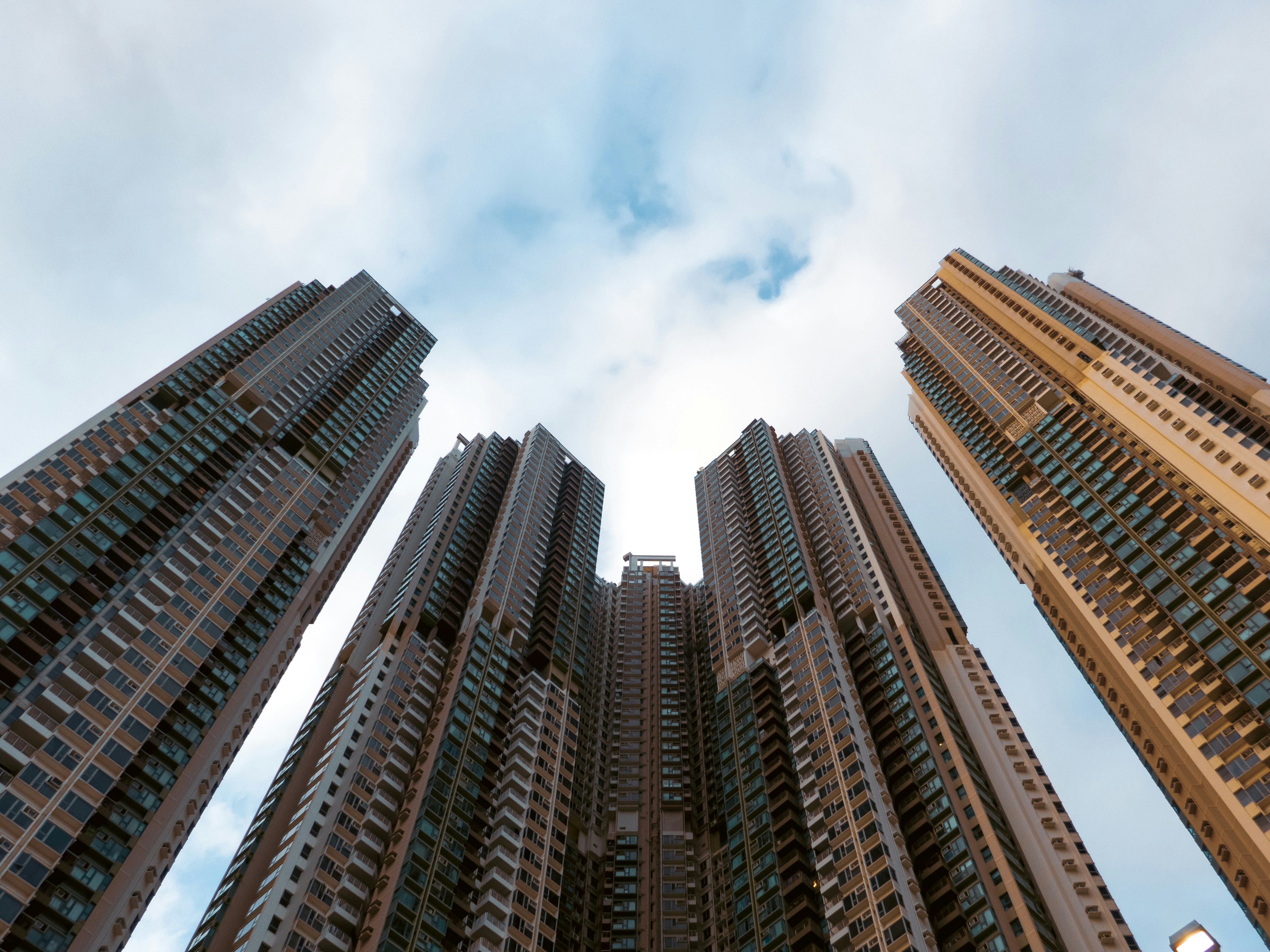
Real Estate Trends In Nigeria 2025: Key Insights, Market Performance, And What’s Next
Nigeria’s real estate market in 2025 is undergoing a major transformation. Affordable housing, proptech innovation, short-let maturity, and sustainable construction are redefining opportunities across Lagos, Abuja, Port Harcourt, Enugu, and beyond.
Before you go
Start your next project with confidence
Get a transparent quote, see clear timelines, and track every milestone, all in one place.