
Back to articles
7 Factors To Consider In Choosing The Right Property Location
In Nigeria, location isn’t just a detail, it’s the deal. This guide breaks down the seven critical factors that determine whether your property appreciates or depreciates, from infrastructure and security to flood risk and resale value

Sebastian Oru
Founder, MD
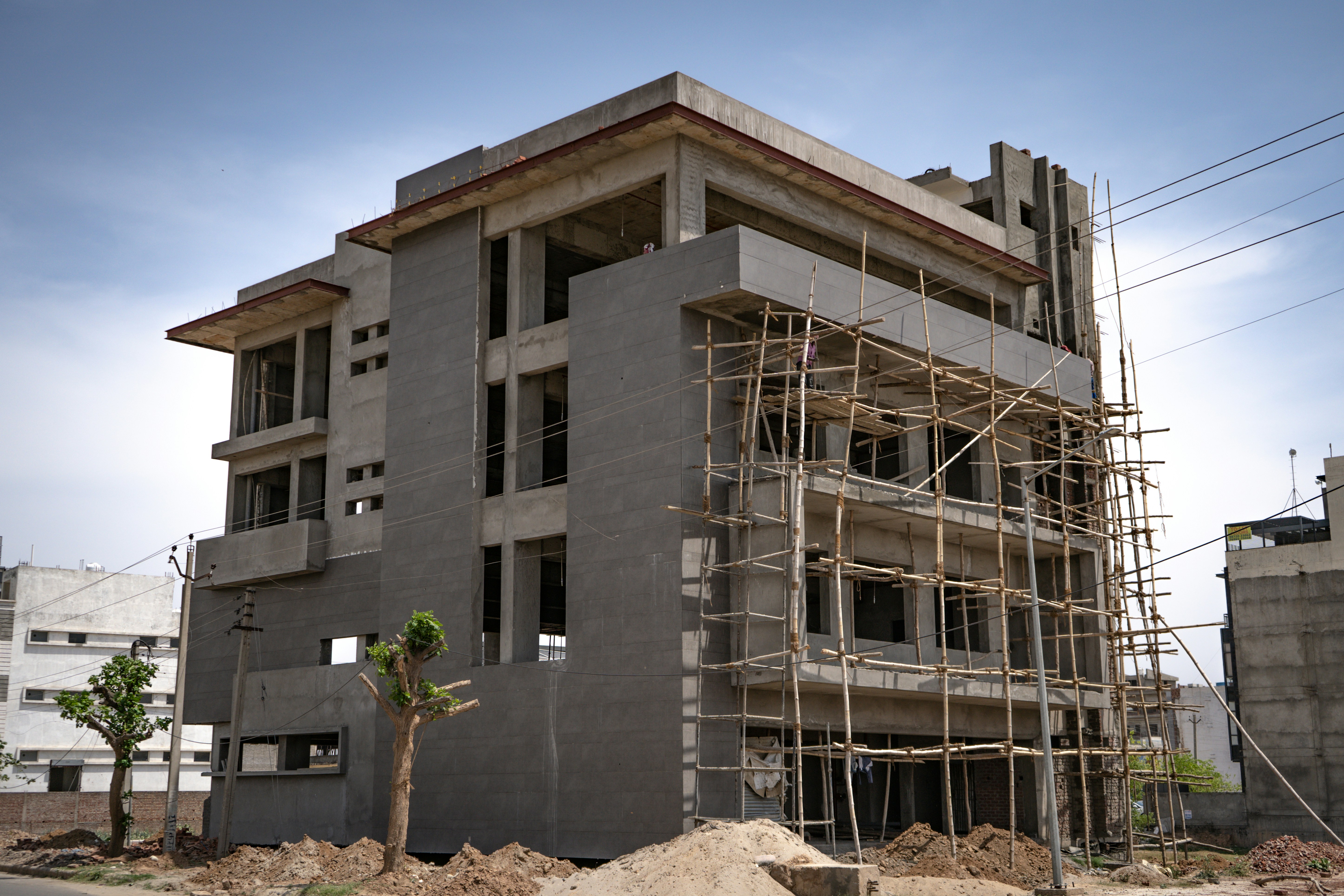
You can upgrade tiles, repaint walls, install solar, even throw in POP ceilings, but you can’t renovate your way out of a bad location. In Nigeria, where a single access road can decide whether your tenant stays or flees, and where one unexpected government project can either double your asset value or demolish your fence overnight, location controls as much as 70% of your property’s future performance.
Choose wrong, and every naira goes into damage control; choose right, and your property grows in value while you sleep. At ATEOS Homes and Properties Ltd., we don’t gatekeep the playbook, so here are the 7 factors every smart investor or homeowner must evaluate in choosing the right property location.
1. Infrastructure Checklist (Roads, Electricity, Water)
Before you fall in love with a property, audit the infrastructure like an investor, not a tourist. Start with the access route. At ATEOS Homes, we constantly remind clients that a beautiful house sitting behind a bad road will bleed money through higher maintenance costs, tenant turnover, and rapid depreciation.
You must apply this same scrutiny to power and water. Ask the real questions: Is this a Band A or Band B location? An area with chronic low voltage will quietly drain your wallet through burnt appliance costs. Similarly, a location with a high water table or iron-rich soil requires expensive treatment plants to prevent your sanitary wares from turning brown. Poor water infrastructure is a monthly operational expense waiting to happen.
2. Proximity to Essential Amenities (Schools, Hospitals, Markets)
In a country where traffic congestion can steal four hours of your day, proximity is the primary driver of tenant retention. When evaluating a location, you are measuring "Time-to-Service." Think of family-sized units (3–4 bedrooms), proximity to top-tier schools is the #1 value driver. Parents will pay a premium to avoid a two-hour commute for their children.
The same thing is applicable to healthcare. In an emergency, distance is a risk factor. Proximity to a functional general hospital or a major private facility increases the desirability of a neighborhood. For markets, being too close to a major one brings noise and security issues, but being too far adds logistical friction. The sweet spot is a location close enough for convenience, but buffered from the chaos.
3. Security and Neighborhood Safety Assessment
A safe location is beyond a gate; it’s about a defensible perimeter and a proactive security culture. A high fence means nothing if the neighborhood itself is porous. Evaluate the layout of the street. The safest neighborhoods have strictly controlled entry and exit points, such as cul-de-sacs or gated estates. Areas that serve as shortcuts for commercial traffic are inherently harder to secure and suffer from higher crime rates.
We recommend you look at the uniformity of the street. Is it purely residential, or is it mixed with late-night bars, hotels, or unauthorized commercial kiosks? A mixed-use street attracts foot traffic, making it difficult for security to distinguish residents from potential threats.
4. Future Development Plans and Government Projects
A location’s value today is less important than its value tomorrow. Real estate appreciation is driven by what is coming next. We advise researching the state master plan. A property located 2km from a proposed bridge, rail terminal, or highway expansion will see a massive spike in value the moment construction begins. Conversely, a property in the path of a road expansion risks demolition.
Here’s a tip: If a major multinational company, like Shoprite, or a private university breaks ground nearby, property values in the surrounding 5km radius will rise automatically. These institutions bring workers who need housing, driving up rental demand.
5. Transportation and Accessibility
In Nigerian cities, accessibility is measured in options. A location with a single entry point is a logistical trap. If a tanker falls or a road undergoes repair, you or your tenants are locked in. Does the neighborhood have multiple entry and exit routes? The most valuable locations offer alternative routes to bypass gridlock during peak hours
Additionally, evaluate the traffic direction. Smart investors buy "against the traffic." If the majority of the city commutes South in the morning, buying North allows for faster commutes and higher quality of life, which translates to better tenant retention.
6. Flood Risk and Environmental Factors
Flooding is the single fastest destroyer of property value in Nigeria. "Dry land" in the dry season is not proof of safety. You must investigate the topography and drainage capacity. We advise visiting the site after a heavy downpour or asking around. A property in a flood zone is an uninsurable asset that will suffer from rising damp and rapid structural decay.
Topography is another factor to take into consideration. Is the plot on a slope or in a basin? Being at the bottom of a slope means you inherit the runoff from every neighbor above you. Buying low land requires expensive sand-filling, significantly inflating your construction costs.
7. Resale Value and Rental Yield Potential
Ultimately, a property is a financial instrument. You are buying a stream of future cash flows. You must separate emotional appeal from market performance. At ATEOS Homes and Properties Ltd., we ask the right questions. How fast can you sell? Prime locations like Ikeja GRA or Enugu’s New GRA have high liquidity; you can find a buyer in weeks. Developing areas may offer cheaper entry, but exiting that investment could take years.
Also, understand the zone’s performance. Established areas offer lower capital appreciation but steady, high-rental income (Safety). Emerging neighborhoods offer massive appreciation potential but lower immediate rental yields (Growth). Choose the one that aligns with your investment horizon.
Making Your Location Decision
Buying property is expensive; buying in the wrong location is what you’d strive to avoid. Don't let fresh paint or a low price distract you from the fundamentals.
Evaluate the infrastructure, stress-test the commute, and audit the flood history. At ATEOS Homes and Properties Ltd, we execute this entire playbook for you. Partner with us to secure a verified asset that works for your wallet and your future.
More articles you might like
Dive into our other posts and stay inspired.

Renovation vs. New Build in Nigeria: Which Strategy Protects Your Capital?
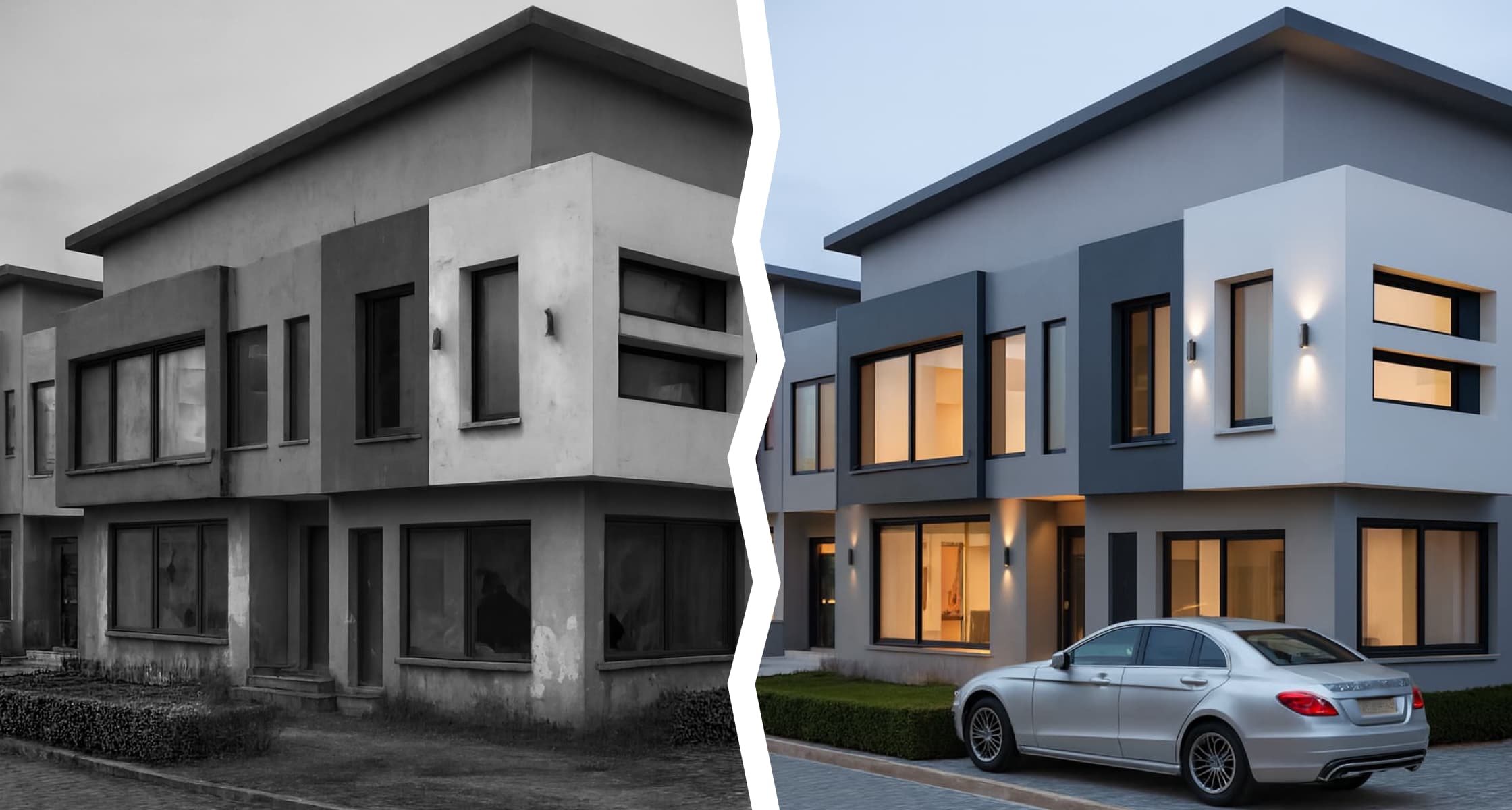
In Nigeria, deciding whether to renovate or rebuild is the single biggest property risk. This guide compares both strategies, revealing when renovation saves capital and speed, and when a new build secures long‑term value and premium returns.
Before you go
Start your next project with confidence
Get a transparent quote, see clear timelines, and track every milestone, all in one place.