
Back to articles
How to Start House Flipping in Nigeria
House flipping in Nigeria can deliver returns of 20–40% when done strategically. This guide shows how to pick the right properties, manage renovations, and avoid costly mistakes to turn flips into profitable investments

Sebastian Oru
Founder, MD
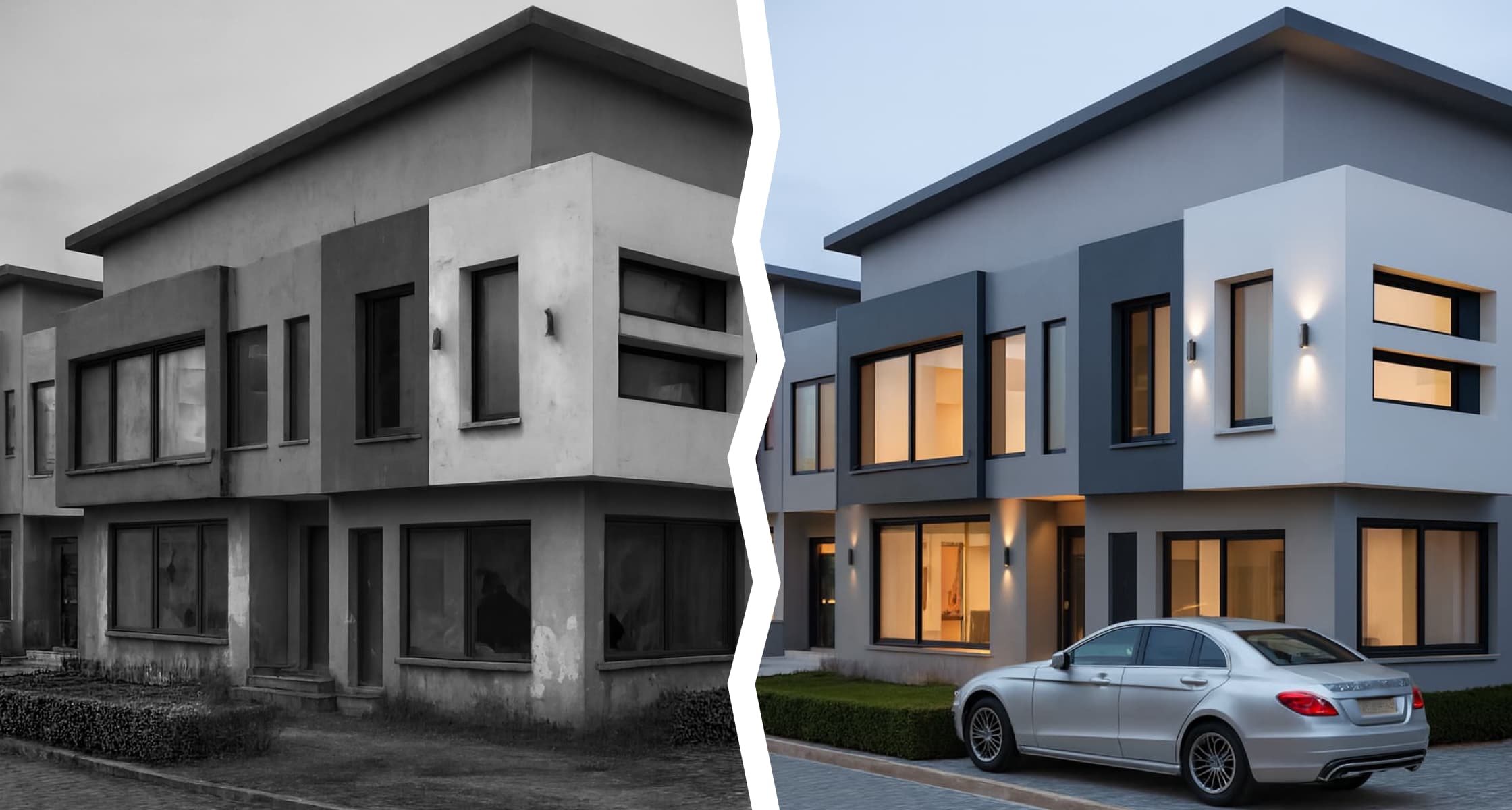
House flipping is the process of buying a property, renovating it, and selling it for a profit. In Nigeria, this strategy is rapidly becoming a viable way to build wealth in real estate. But the stakes are high; a poorly chosen location, substandard materials, or legal oversights can turn what should be a profitable flip into a financial loss.
At ATEOS Home and Properties Ltd., we've established domain knowledge within this scope. For investors asking, “How much does flipping a house make?” the answer depends on a lot of factors. That's why in this guide, we’ll show you how to start house flipping in Nigeria, estimate costs and profits, and navigate the challenges unique to the Nigerian market.
Why House Flipping Can Be Profitable In Nigeria
House flipping is profitable in Nigeria for those who treat it as a business, not a DIY project. Returns are driven by three factors: property selection, renovation strategy, and market timing. Buying undervalued properties, upgrading them strategically, and selling when demand is high can yield returns upwards of 30%.
Insider knowledge makes all the difference. Experienced flippers know which neighborhoods are on the rise, which materials withstand local climate, and how to avoid common pitfalls like scope creep or legal disputes. Nigerian investors who combine these insights with disciplined budgeting often see their flips outperform traditional investments, turning properties into reliable profit engines. For anyone wondering “How much does flipping a house make?”, we would say the answer is: substantial, if you execute with precision.
How To Get Into House Flipping
Getting started in house flipping in Nigeria demands strategy, capital, and the right network. The first step is assessing your financial capacity. How much can you invest, and what funding options are available? Many investors partner with co-investors or tap into real estate financing to expand their buying power without overextending themselves.
Next, identifying the right properties is critical. Look for undervalued homes in neighborhoods with rising demand, good infrastructure, and potential for high resale value. Avoid areas prone to legal disputes, poor construction quality, or unreliable utilities.
Finally, building a team of trusted professionals is essential. Legal advisors, contractors, and property inspectors, like the ATEOS team, help mitigate risks and ensure renovations stay on budget and schedule. For those asking, “How to start house flipping?”, the key is combining smart property selection, reliable partners, and realistic financial planning. With these elements in place, even first-time flippers can approach the market with confidence and reduce the risk of costly mistakes.
Step-By-Step Guide To Starting House Flipping
The process works best when approached as a structure rather than a series of ad-hoc decisions. Here’s a practical roadmap:
Property Acquisition: Start with a detailed evaluation. Assess location, structural integrity, and resale potential. Conduct legal due diligence to avoid disputes over land ownership or title defects. Buying below market value is crucial, but ensure the property doesn’t come with hidden liabilities that could erode profits.
Renovation Planning: Prioritize upgrades that deliver the highest return on investment. Focus on functional improvements, modern kitchens, efficient layouts, durable roofing, and water-proofing solutions suited for Nigeria’s climate. Avoid scope creep, which can inflate costs, and stick to a strict renovation timeline. Use value engineering techniques to maintain quality without overspending.
Contractor Management: Work with vetted contractors and suppliers. Local materials vary in quality, so sourcing trusted products is non-negotiable. Set clear expectations, timelines, and payment schedules to prevent delays.
Selling and Exit Strategy: Time the market. Sell when demand peaks, and marketing can highlight the property’s improvements effectively. Price competitively to attract buyers while maintaining your target profit margin.
Post-Sale Review: Analyze the project. Which renovations added the most value? Were costs managed efficiently? Lessons learned here inform your next flip, helping you improve profitability over time.
Following these steps systematically ensures that your house flipping efforts in Nigeria are disciplined, profitable, and resilient to common local challenges.
Common Costs And Profits In House Flipping
Understanding the numbers is critical before committing to house flipping in Nigeria. Costs typically fall into three categories: acquisition, renovation, and ancillary expenses. Acquisition costs include the purchase price, legal fees, and any taxes or levies.
Renovation costs vary widely depending on the scope, from minor cosmetic upgrades to structural improvements, and should factor in labor, materials, and contingencies for unforeseen issues. Ancillary expenses, such as marketing, agent fees, or utilities during renovation, can quietly erode profits if overlooked.
So, how much can you make? Profit margins depend on your investment, renovation quality, and market timing. Flippers in Lagos or Abuja often see returns of 20–40%, with high-demand neighborhoods occasionally yielding more. Smaller flips may net N5–15 million, while larger-scale projects can reach N50 million or more.
The key is careful budgeting and strategic spending: prioritize renovations that add the highest resale value, manage costs rigorously, and always leave room for contingencies. Done correctly, house flipping can turn a well-selected property into a substantial, predictable return.
Expert Tips For Successful House Flipping
Success in flipping isn't about luck; it's about math and discipline.
Mind the Neighborhood Ceiling: Never improve a property beyond what the location can sustain. If the highest sold property in the area is N80 million, do not spend N100 million creating a mansion; you will face "over-capitalization" and lose money.
Target "Ugly" Houses with Good Bones: The best margins come from distress sales with sound structures but terrible finishing. Cosmetic fixes, like modern tiling, POP ceilings, and painting offer a far higher ROI than fixing deep structural cracks or foundation issues.
Speed is Profit: In Nigeria’s high-inflation environment, time is your enemy. Every month a renovated property sits unsold is money lost to holding costs and maintenance. Renovate fast, price competitively, and exit.
Taking The First Step
House flipping in Nigeria is a high-reward vehicle for wealth creation, but it rewards precision, not speculation. The difference between a lucrative exit and a financial trap often comes down to the quality of your due diligence and the strength of your team.
At ATEOS Homes and Properties Ltd, we are the ready-made team you need. Instead of trying to assemble separate lawyers, contractors, and market analysts, you get a cohesive unit that handles everything from title verification to cost-controlled renovations. Don't try to build a network from scratch; partner with ours to ensure your capital is protected and your profits are predictable.
More articles you might like
Dive into our other posts and stay inspired.
7 Factors To Consider In Choosing The Right Property Location
In Nigeria, location isn’t just a detail, it’s the deal. This guide breaks down the seven critical factors that determine whether your property appreciates or depreciates, from infrastructure and security to flood risk and resale value

Before you go
Start your next project with confidence
Get a transparent quote, see clear timelines, and track every milestone, all in one place.