
Back to articles
Renovation vs. New Build in Nigeria: Which Strategy Protects Your Capital?
In Nigeria, deciding whether to renovate or rebuild is the single biggest property risk. This guide compares both strategies, revealing when renovation saves capital and speed, and when a new build secures long‑term value and premium returns.

Sebastian Oru
Founder, MD

Owning an older property in a prime Nigerian location like Lagos Island or Enugu’s GRA is a double-edged sword. You hold a high-value asset, but the structure sitting on it is likely depreciating every day.
The decision to renovate or rebuild is the single biggest financial risk a property owner faces. Choose wrong, and you either trap your capital in a structure that will never yield premium rent or you embark on a new build that bleeds your budget dry.
With over 70% of Nigeria’s housing stock requiring significant upgrades, it’s a capital preservation strategy. At ATEOS Homes and Properties Ltd, we help investors run the numbers. Before you pour concrete or buy paint, you need to know which path leads to profit and which leads to a loss.
When Renovation Makes Sense
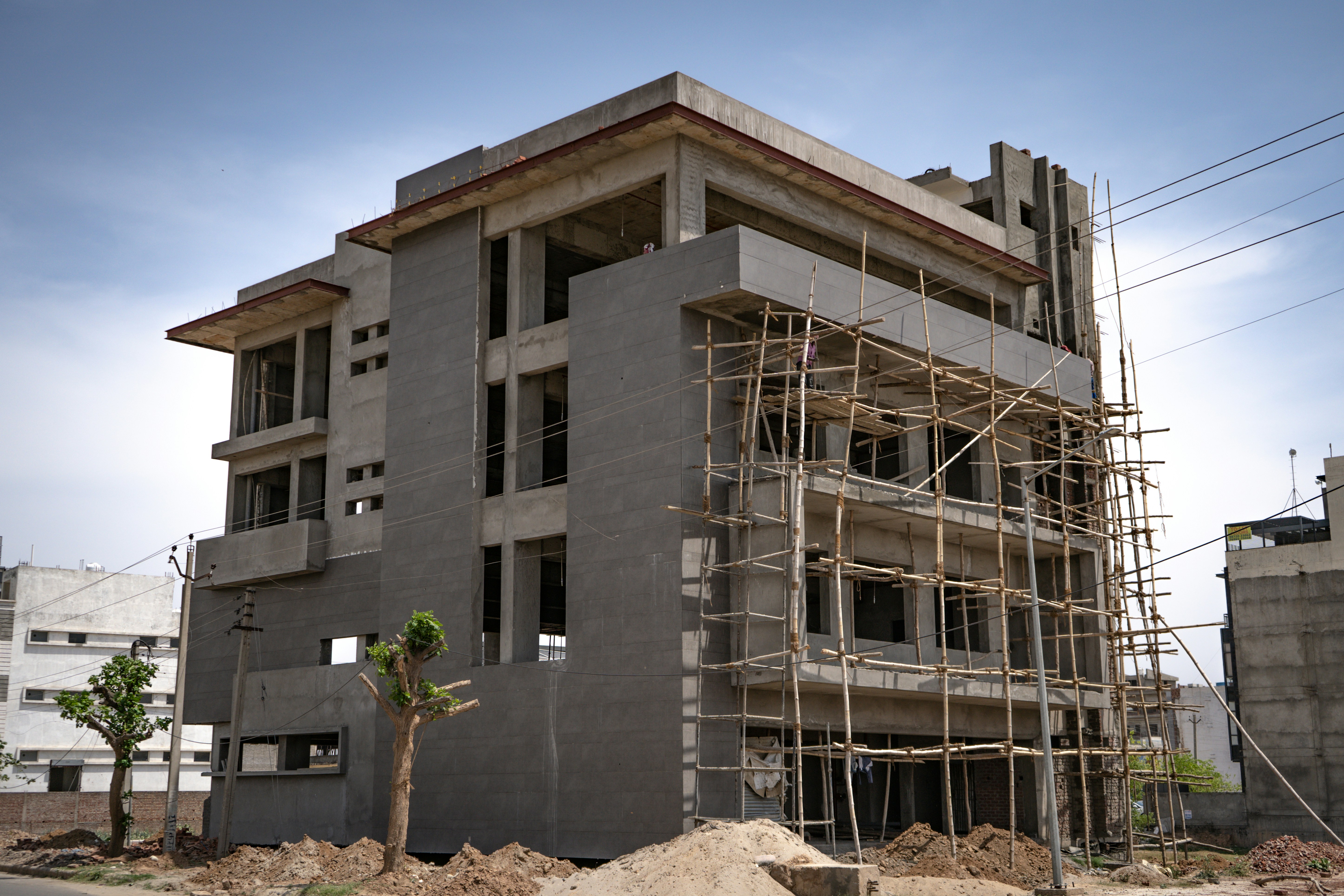
Renovation is the strategic choice when the property possesses high structural integrity, or what we call "good bones." In many Nigerian cities, older structures built with vibrated sandcrete blocks or heavy reinforced concrete frames can outlast modern builds if maintained.
If the foundation, columns, and beams are free of structural defects, renovating can save you millions in framing and concrete costs. This is particularly effective in high-value locations like Lagos Island, Gwarimpa, Port Harcourt GRA, and Enugu’s Centenary, where the land holds the majority of the asset's value. In these zones, preserving the shell while upgrading the "skin," interiors, electricals, plumbing, and glazing, can deliver exceptional returns on investment.
Renovation is also the superior strategy for speed to market. A full new build is an 18-month commitment; a targeted renovation can often be turned around in 4–12 weeks. For landlords, this speed is critical; it minimizes the "void period" (months with zero rental income) and ensures cash flow resumes quickly.
Finally, renovation offers budget flexibility. Unlike a new build, which requires massive upfront capital, renovation allows for phased development. You can secure the roof and essential systems (wiring, plumbing) first, then upgrade aesthetics (tiling, cabinetry) as cash flow allows.
When New Build Is Better
A new build becomes the only viable option the moment renovation stops being cost-effective. This happens when a building suffers from functional obsolescence, where the cost to fix it exceeds 60% of the cost to rebuild.
If a property is depreciating structurally, injecting money is simply delaying the inevitable. Furthermore, in fast-evolving markets like Abuja and Lagos, older buildings often fail to meet modern load-bearing and ventilation standards. In these cases, a fresh build is the only way to secure the asset's long-term lifespan.
New builds also grant you control. Many pre-2000s Nigerian homes suffer from dark corridors, poor cross-ventilation, and inefficient layouts. Modern tenants demand open concepts, natural light, and smart-home integration. Trying to force these features into an old structure is invasive, risky, and expensive.
For serious investors, a new build is the clearest path to premium rental yields. Corporate tenants and high-net-worth individuals pay a premium for the reliability of new plumbing, modern wiring, and energy efficiency.
Timeline Comparison
In Nigeria, timelines are rarely just about construction; bureaucracy, logistics, and market realities play a huge role. Renovations can seem fast on paper, 4 to 12 weeks, but delays often come from inconsistent power supply, sourcing quality materials from local markets, or coordinating subcontractors.
For example, a Lagos-based renovation may hit snags if sandcrete blocks or steel reinforcements are out of stock, or if water and electricity disruptions stall plumbing or electrical works. Despite this, renovations generally remain quicker than new builds, allowing landlords or homeowners to return to functional spaces sooner.
A new build, however, faces its own timeline pressures. Permit approvals, land title verification, and contractor scheduling can add months before any foundation is even laid. On-site construction typically stretches 9 to 18 months, and factors like rainy-season flooding, strikes, or fuel scarcity can further delay progress. While more time-intensive, the payoff is a fully customized, modern property built to last.
Hidden Costs in Each Approach
When planning a renovation or new build in Nigeria, the budget rarely stops at the obvious expenses. Hidden costs can erode profits or extend timelines if not accounted for upfront.
Renovation:
Unforeseen structural repairs (foundation, beams, termite-damaged wood)
Replacement of outdated plumbing and electrical wiring
Material shortages (cement, sand, steel) causing labor delays
Generator hire or alternative power costs during outages
Temporary relocation costs if the property is occupied
New Build:
Permit approvals, land verification, and legal fees
Inflation of imported materials (tiles, sanitary fittings, lighting)
Fuel price fluctuations affecting delivery of materials
Construction site security in urban areas
Project management fees rising with delays due to rain, strikes, or labor issues
Compliance costs for modern building codes or energy efficiency standards
At ATEOS Homes, we prioritize full transparency so you don’t have to worry about the nitty-gritties.
ROI Considerations for Investors
Investors must look beyond upfront costs to understand the real returns from renovation versus new builds in Nigeria.
Renovation ROI:
Faster turnaround: Renovations are often completed in weeks, allowing quicker rental income or resale.
Lower upfront investment: Smaller capital outlay can deliver high percentage returns if improvements address key property pain points.
Market responsiveness: Ideal for high-demand areas where tenants or buyers value functional upgrades over brand-new construction.
New Build ROI:
Long-term Value: Modern construction, energy-efficient designs, and quality materials reduce maintenance and attract premium tenants.
Predictable Cash Flow: Fewer structural surprises mean more reliable income over 5–10 years.
Market Positioning: New builds in desirable locations often appreciate faster, boosting resale value.
Balancing speed, cost, and long-term value helps investors decide the strategy that maximizes returns while minimizing risk.
Decision Framework
To choose wisely, follow this rule: Renovate if the structure is sound, your timeline is short, and you need to preserve capital. Build New if the foundation is compromised, the layout is obsolete, or you are targeting the premium tier of the market.
Don't guess with your capital. Assess the costs, the hidden risks, and the long-term yield before you break ground, and plan with trusted partners like ATEOS Homes and Properties Ltd. to ensure your project is delivered on time and on value.
More articles you might like
Dive into our other posts and stay inspired.

How to Stop Your Home from Losing Value
In Nigeria, the true cost of a home isn’t the purchase price, it’s how well you protect it from depreciation. This guide outlines practical maintenance strategies that preserve property value, prevent costly damage, and secure long‑term returns.
Before you go
Start your next project with confidence
Get a transparent quote, see clear timelines, and track every milestone, all in one place.